


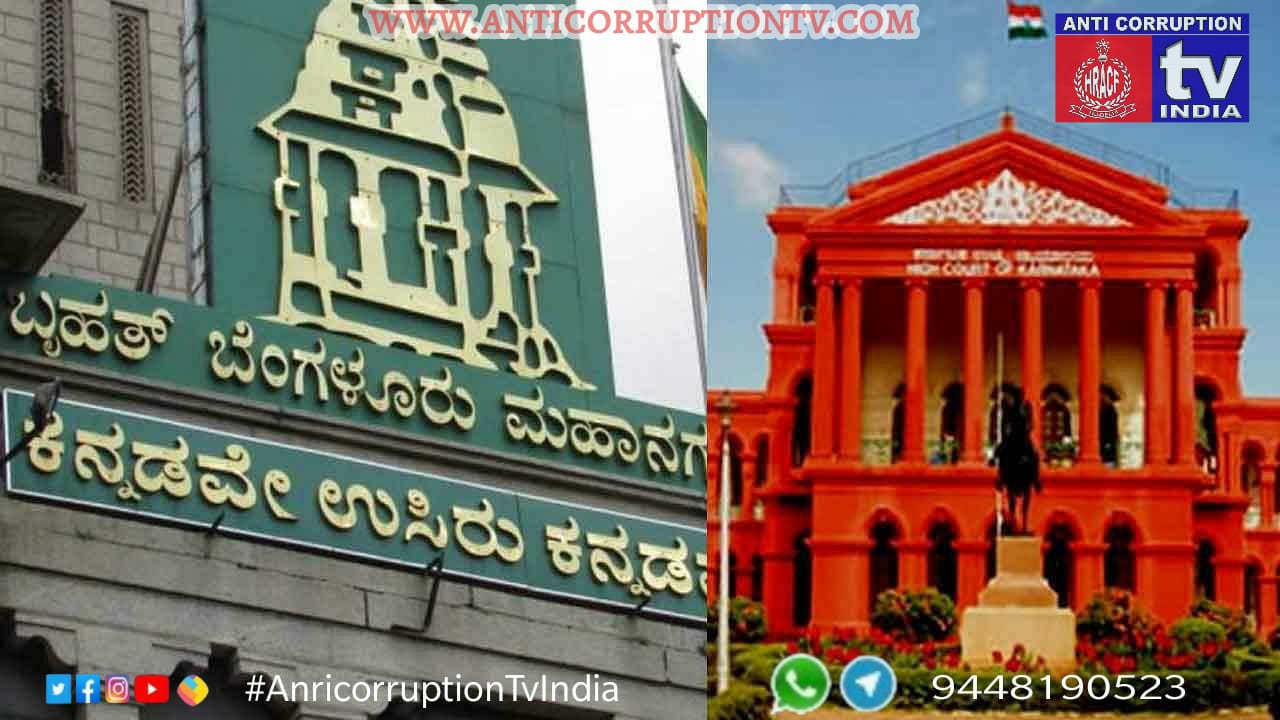

BENGALURU: As per Section 11 of the Karnataka Prohibition of Begging Act, 1975, the Karnataka High Court directed the state government to submit a report on how the police are taking action in their jurisdiction against persons engaged in begging in violation of Section 3 of the Act.
A division bench of Chief Justice Prasanna B Varale and Justice Ashok S Kinagi, while hearing a public interest litigation filed by the Letzkit Foundation in 2020 on the issue of forcing children to sell items on the streets, gave the direction.
The directive has been issued as the state government has admitted that there is insufficient awareness among the grassroots police about Section 11 of the Act. “If any police officer or authorized officer of the Government finds any person, other than a child, violating the provisions of section 3, he shall arrest such person and inform him of the reasons for his arrest and send him to the nearest reception centre.”
Meanwhile, the state government told the court that the Director General and Inspector General of Police had issued letters to regional heads, police commissioners and SPs in December 2022 and January 2023 to create awareness among the police about Section 11. Taking note of this, the court directed the state government to submit a report on the implementation of this negotiation.
The government told the court that BBMP’s plea to retain a portion of the begging cess for the upliftment of the weaker sections was rejected. The court directed the BBMP to transfer any portion of the begging cess remaining with it to the Central Relief Committee, which will be utilized for beggar relief centres.
According to the statement filed before the court, the BBMP has spent around Rs 600 crore from 2008-09 to November 30, 2022. Collected begging cess. Of this, about Rs. 400 crores have been forwarded to the Central Relief Committee. The begging cess collected is Rs 200 crore. Kept by BBMP.


